Under Eye Fat Repositioning vs Fillers vs Laser
Views : 189
When your under-eyes look puffy, fillers and lasers are often the first solutions that come to mind.
Surgery feels intimidating, and wanting a simple fix is natural.
At theuk Plastic Surgery we are often asked in consultations, “Is it possible with filler or laser?”
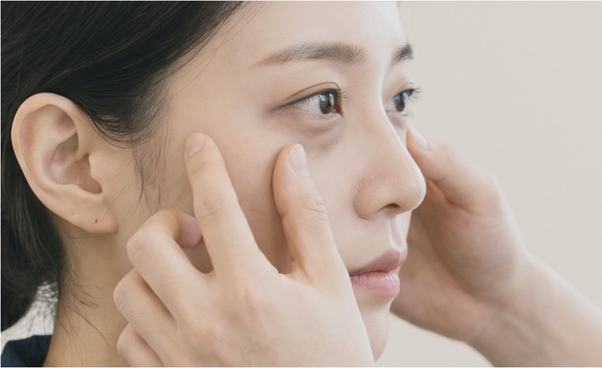
These three approaches treat the same area in different ways, so outcomes can vary greatly depending on the under-eye condition.
Today I’ll summarize when fillers and lasers are appropriate, their limitations, and how they differ from under-eye fat repositioning.
Self-check first · Only the center under the eye bulges while the area below it is flat or hollow · A pronounced groove runs from the inner eye toward the side of the nose (the tear trough) · The under-eye shadow is darker in the evening than in the morning · The under-eye bulge is more noticeable at rest (neutral expression) · People often say your face looks thin overall
If two or more apply, simply adding volume or removing tissue may not be sufficient.
When filler may be limited
Fillers work by adding lost volume.
They can help when the under-eye area is hollow.
But if fat has already bulged forward, the approach changes.
You can fill the surrounding hollows to reduce the visual step-off, but the bulging fat itself remains.
As the filler is absorbed over time, the original contour may reappear.
Because the under-eye skin is thin, large filler volumes can sometimes show a bluish tint or look puffy.
Laser is not a surgical technique name
To clear a common confusion: “laser” is not the name of a surgical procedure but a tool used for cutting.
Medical lasers cut tissue while coagulating tiny blood vessels, so some surgeons use lasers instead of a scalpel for incisions.
Also note that many procedures called “laser” mix two meanings: surgeries using lasers as the incision tool, and non‑surgical treatments that apply thermal energy with laser devices.
Since the name alone doesn’t distinguish them, ask during consultation which type is being proposed.
Ultimately, the real difference is how the fat is managed.
Bulging and hollowness usually occur together
It’s helpful to think of under-eye changes in three stages.
First, the orbital septum — the thin membrane that contains orbital fat — stretches over time.
That loosened membrane allows the fat behind it to push forward.
As a result, the central under-eye becomes bulging, while the bone margin below the eye (the infraorbital rim) appears relatively hollow.
Here is where the approaches diverge.
Fillers add volume to the hollowed area. Removal procedures reduce the bulging fat. Repositioning moves bulging fat into the hollow area to smooth the transition.
They all address the same region, but the final impression can differ for that reason.
Repositioning is not suitable for every case either. If there isn’t enough fat to move, or skin laxity is significant, other options may be considered.
Excessive fat removal can leave the eyelid appearing sunken — a long-recognized issue in facial plastic surgery.
Comparing the three methods
- Filler: fills hollows. Mainly considered when there is hollowness without bulging. Considerations: absorption and migration vary by person; volume can cause visible bluish tint or swelling.
- Laser / under-eye fat removal: reduces bulging fat. Mainly considered when bulging is the primary problem. If hollowness coexists, shadows may remain.
- Under-eye fat repositioning: moves fat downward and secures it. Considered when bulging and a tear trough co-occur. Because it addresses a broader area, swelling may last longer (typically within about two weeks).
Five questions to confirm during consultation
· How do you determine whether bulging or hollowness is the primary cause?
· Will you explain expected results and limitations if only filler or only removal is performed?
· If repositioning is recommended, how will you confirm there is enough fat to move?
· Will you describe the expected course of swelling, bruising, and possible asymmetry during recovery?
· If additional treatment may be needed later, are the criteria and timing specified?
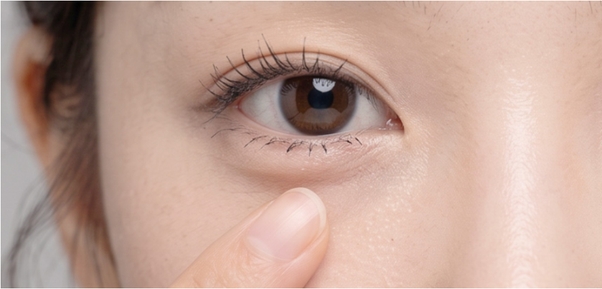
Why theuk plastic surgery spends more time on under-eye consultations
The under-eye often has both bulging and hollowness in the same area.
That makes it difficult to decide in advance whether to use filler, laser (removal), or repositioning.
At theuk, Dr. Jang Uk evaluates protrusion of fat, tear trough depth, skin thickness and elasticity, orbicularis oculi muscle condition, and the infraorbital rim position before planning treatment.
The priority is to see what remains and what is lacking in the under-eye area now, rather than choosing a method first.
Dr. Jang spends extra consultation time because thoroughly assessing the condition before selecting a technique can determine the result.
Your under-eye condition comes first, not the procedure name.
Please allow enough time to discuss options. Thank you.